
Explore Arnold
Columbia State Historic Park
A whole gold-rush town preserved as a state park — dirt main street, wooden boardwalks, a working stagecoach and gold panning that actually finds gold. Forty-five minutes from the cabins and the best family history day in the county.
First things first
First things first
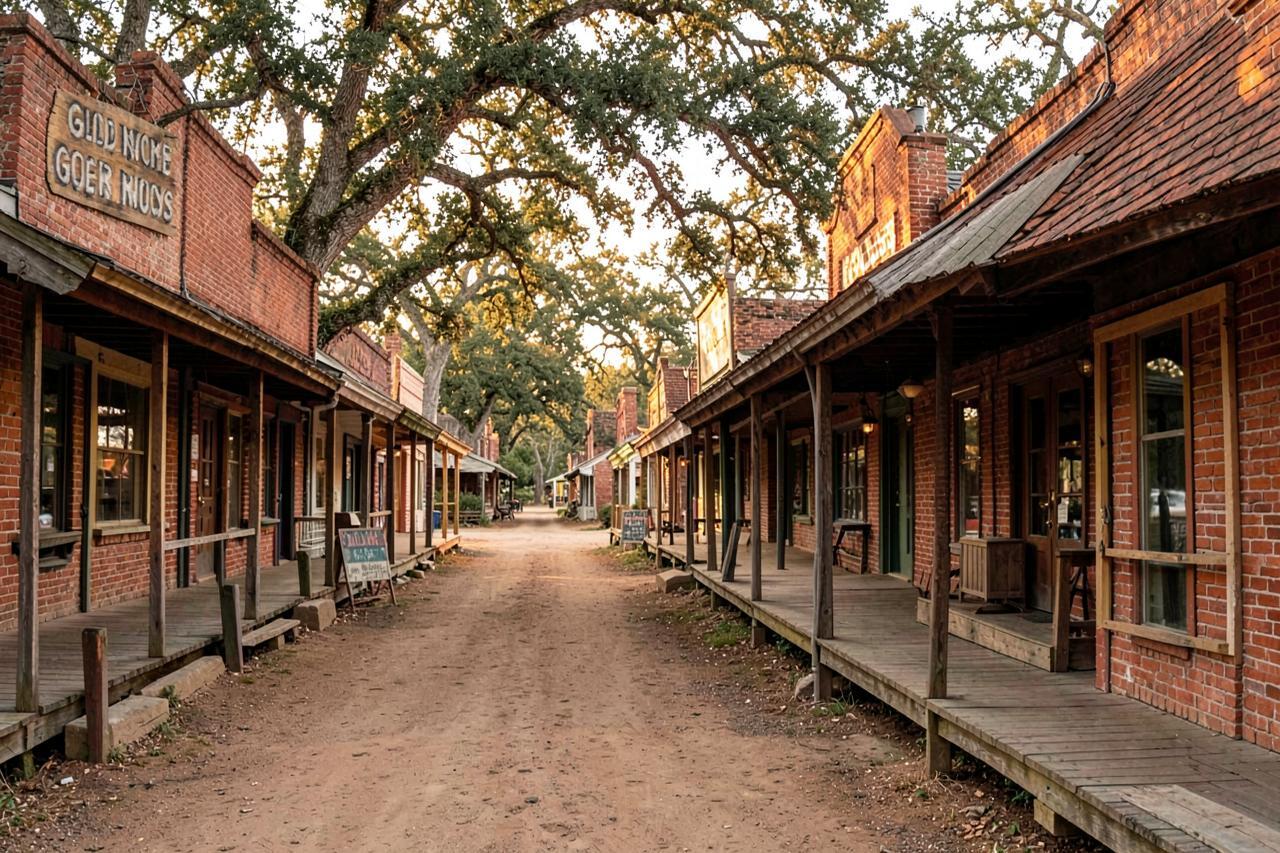
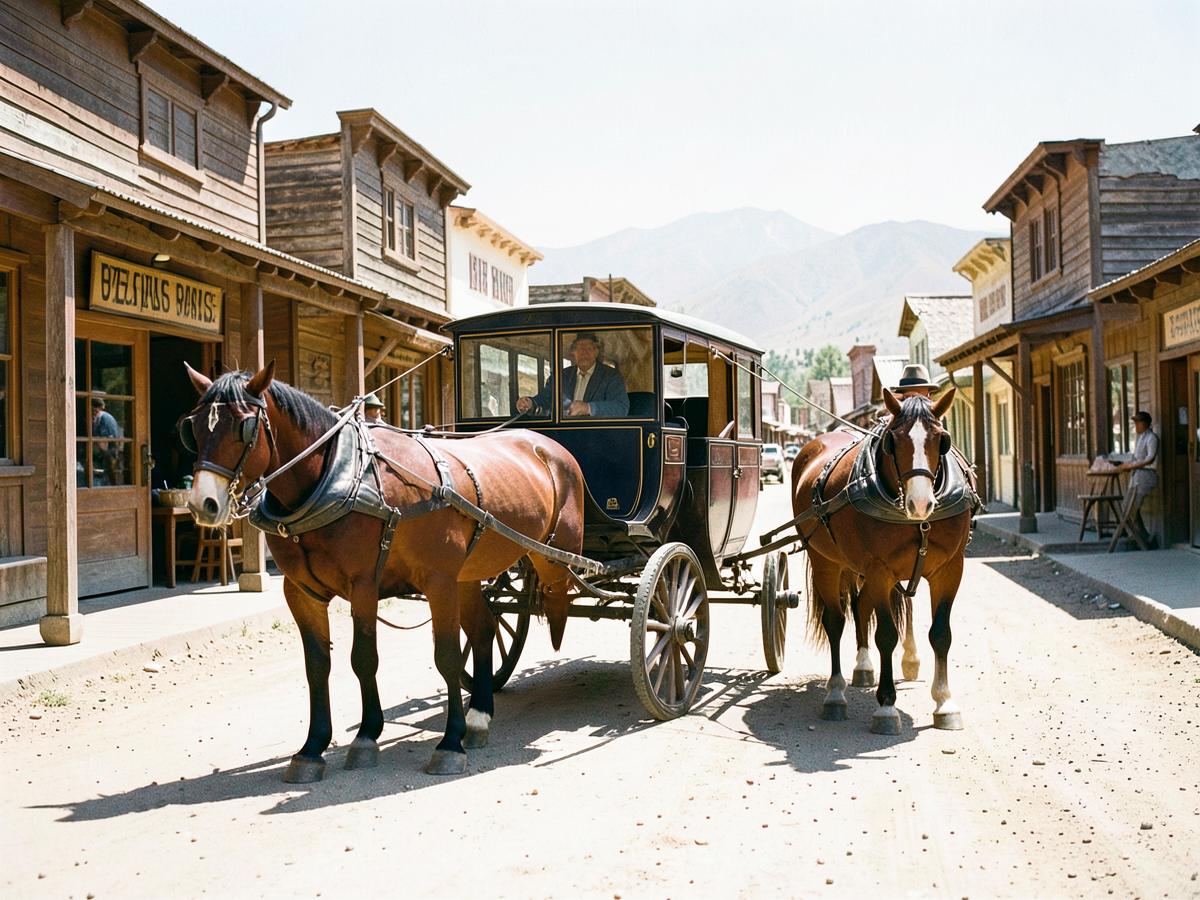
Columbia was one of the richest camps of the southern Mother Lode, and instead of being torn down or gentrified it became a state historic park in 1945. The result is a couple of blocks of brick and wooden buildings from the 1850s, a dirt street with no traffic, and shops staffed by people in period clothing who are selling real candy, real hardware and real ice cream.
It is about thirty miles from the cabins — down Highway 4, briefly onto Highway 49, then over on Parrotts Ferry Road — roughly forty-five minutes. Entry to the town is free; the individual attractions charge.
Geography
Where Columbia State Historic Park sits
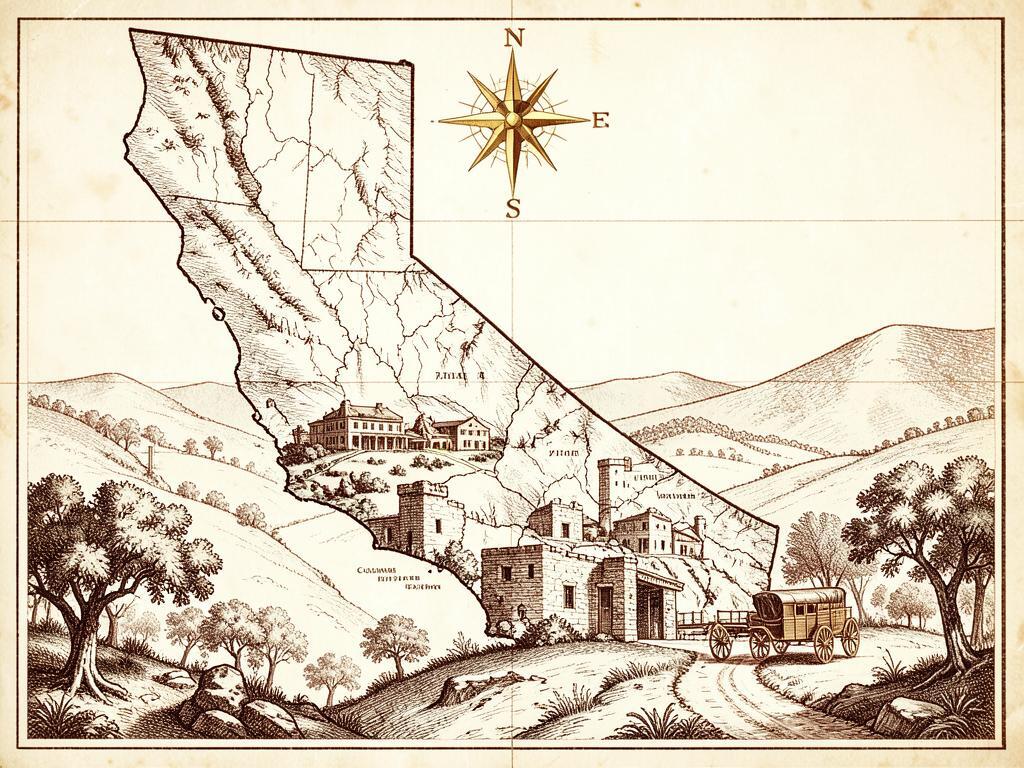
Columbia sits on limestone and marble country in the southern Mother Lode, a few miles north of Sonora on the road that continues down to the Stanislaus River.
The same limestone belt holds the caverns near Murphys and the tunnels at Natural Bridges, all within a short drive of one another.
It is about 30 miles from Chalet Bruin and Koda Loft via Highway 4 and Parrotts Ferry Road — roughly forty-five minutes.
- Region
- Sierra Nevada western foothills, southern Mother Lode
- County
- Tuolumne County
- Elevation
- About 2,100 ft
- Nearest town
- Sonora, about 15 minutes south
- Getting there
- Highway 49 or Parrotts Ferry Road from Highway 4
Walking the street
Start at either end and simply walk. The Wells Fargo office, the schoolhouse on the hill, the blacksmith, the old firehouse and the candy shop are the ones children remember. The Fallon House theatre still stages plays, and the whole street works better in the morning before the heat builds — this is the foothills, and July afternoons are hot.
Most families spend three to four hours. Add lunch on the street and it is comfortably a day out combined with Sonora or Jamestown.
The stagecoach and gold panning
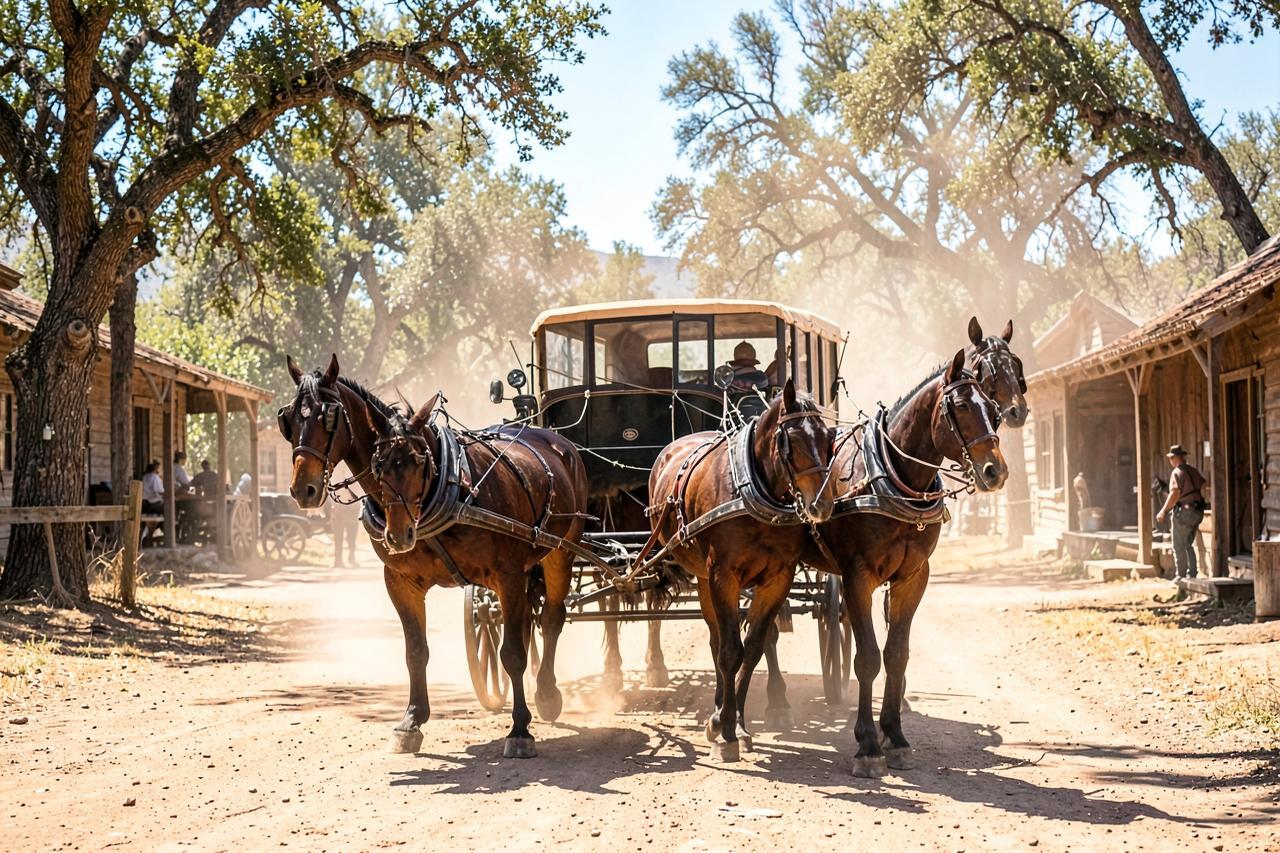
The stagecoach ride is the thing to book. A real coach, real horses, a loop out of town and a driver who commits to the bit — it is the single best few dollars in Columbia and it sells out on busy days.
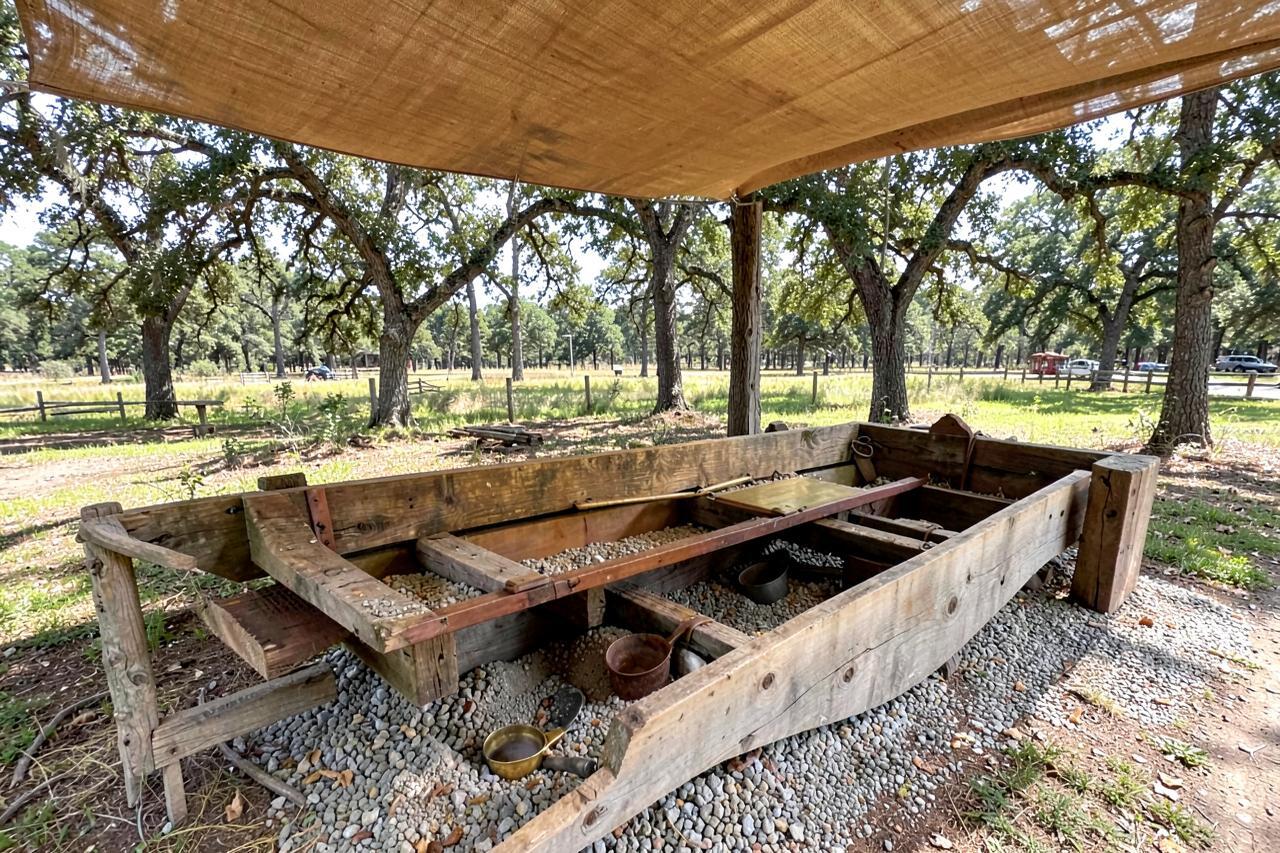
Gold panning runs at the sluices near the top of the street: you buy a pan of paydirt, get shown how to work it, and everybody finds a few specks to take home in a vial. Younger children will do it for an hour without looking up.
Operating days, times and prices for the coach, the panning and the individual museums vary by season and by the volunteers and concessioners running them, so check California State Parks' current Columbia information before you plan the day around one thing.
Practical notes
Parking is in lots at the edge of town; the main street itself is closed to cars, which is exactly why it works. There is shade, but not much of it — hats and water in summer. Winter is quiet, cool and atmospheric, though some concessions close midweek.
The dirt street is stroller-passable but bumpy, and the boardwalks have steps. Most buildings are original, so accessibility varies building to building.
Where to stay
Columbia is a day trip, not an overnight. Staying up in Arnold keeps you in the pines at 4,000 feet — twenty degrees cooler than the foothills in summer — with Columbia, Sonora and Jamestown all inside an hour and the caverns and sequoias even closer.
Nearby
Keep exploring
Local knowledge
Guided experiences near Columbia State Historic Park
Guided outings our guests book most often while they're up the hill.
Affiliate disclosure
These experiences are operated and sold by Viator or GetYourGuide, not by Arnold Haven. Booking through these links may earn us a small commission at no extra cost to you, which helps keep the cabins and this guide going.
Good to know
Frequently asked questions
How far is Columbia from Arnold?+
About 30 miles via Highway 4, Highway 49 and Parrotts Ferry Road — roughly forty-five minutes.
Does it cost anything to visit?+
Walking the town is free. The stagecoach ride, gold panning, some museums and the theatre charge separately, and parking may have a fee.
How long should we allow?+
Three to four hours for the street, the coach and panning. Add Sonora or Jamestown and it becomes a full day.
Is it good for young children?+
It is one of the best places in the county for them — no traffic, a stagecoach, gold to find and a candy shop. Bring hats and water in summer.