
Explore Arnold
Cleo's Bath
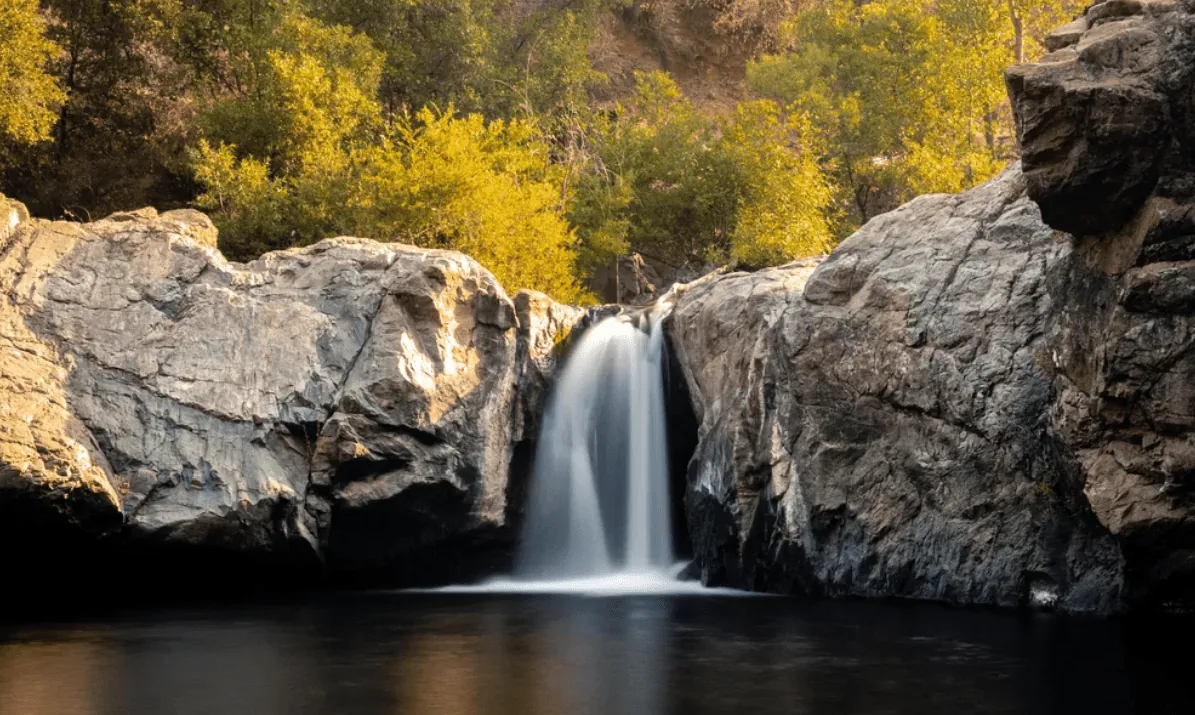
A clear granite pool at the head of Pinecrest Lake, reached by a scramble that is far rougher than its four-mile distance suggests. Spectacular, and not the easy family walk it is often sold as.
First things first
First things first
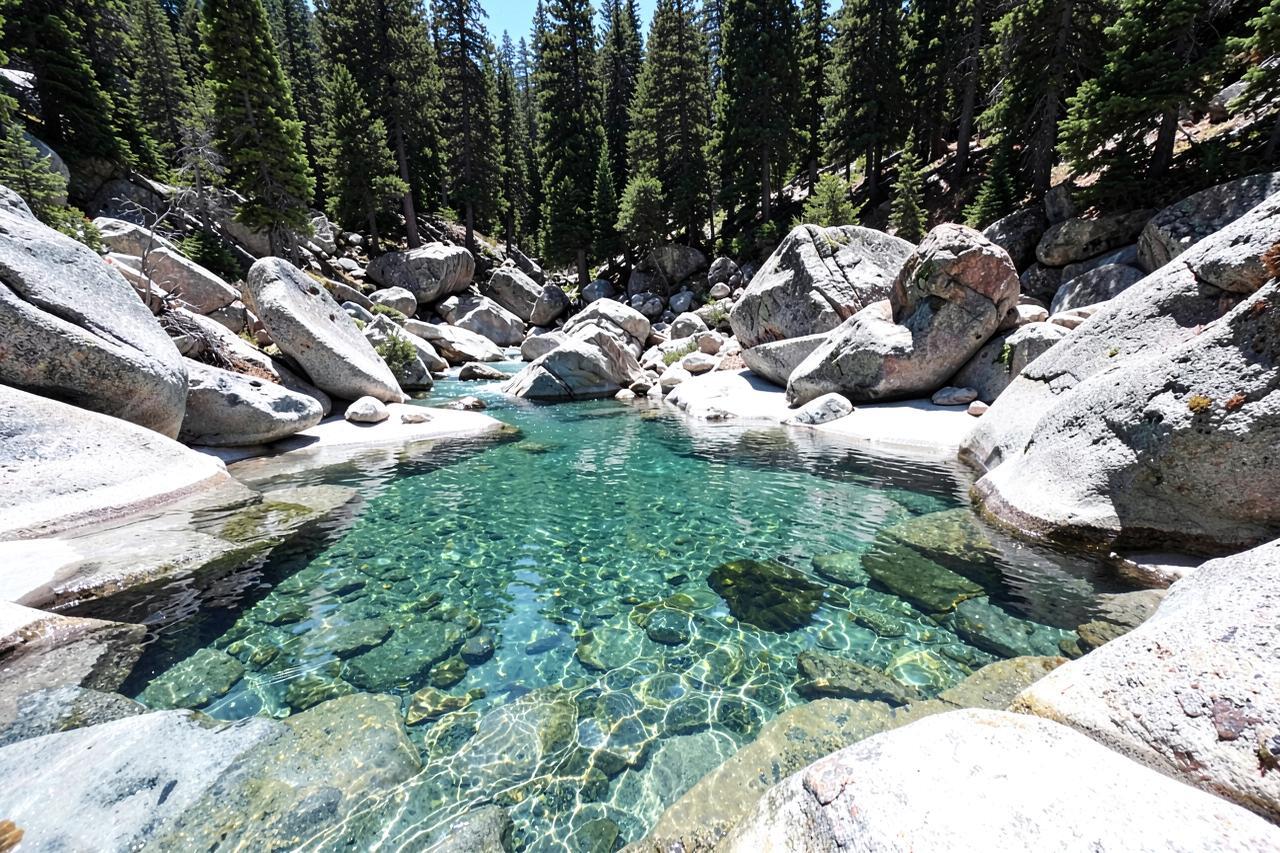
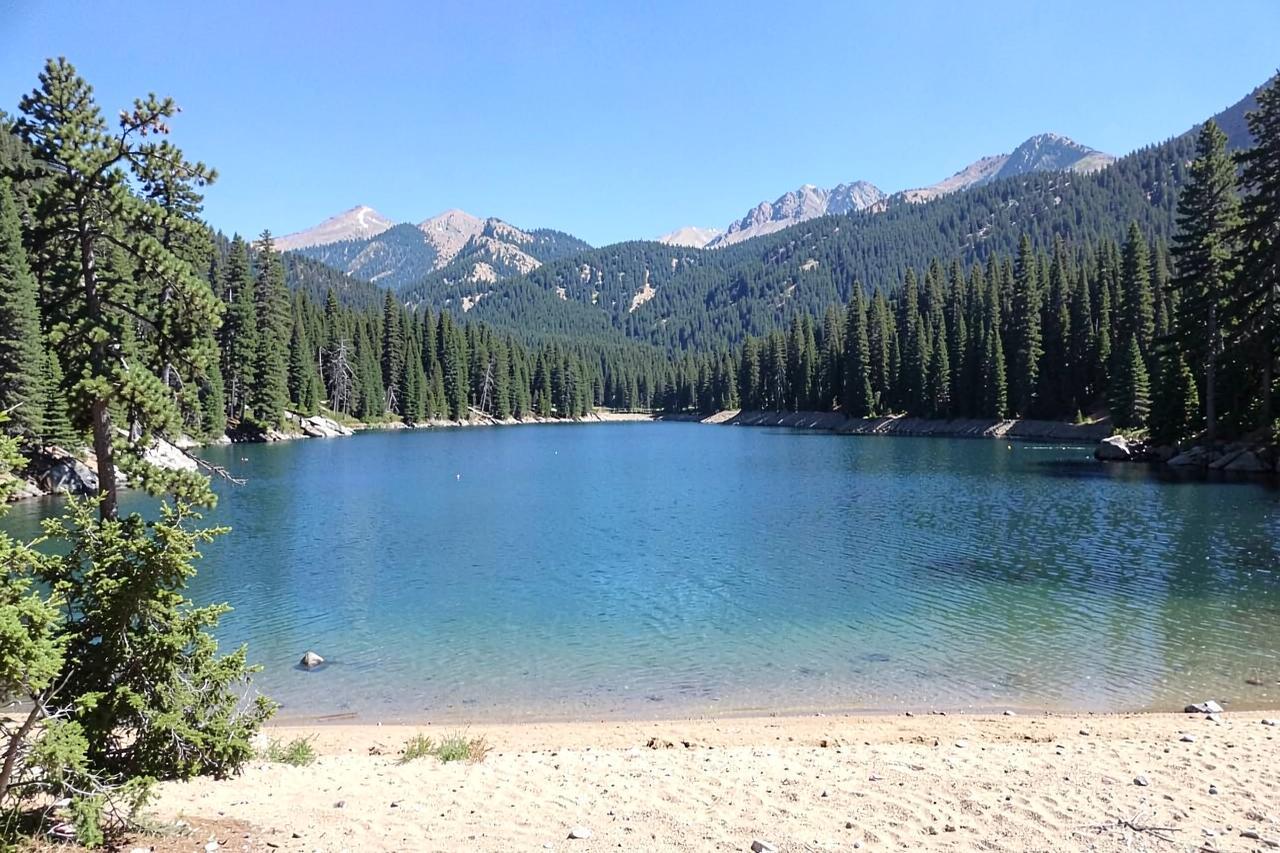
Cleo's Bath is a series of pools and slabs on the South Fork Stanislaus where it drops into the upper end of Pinecrest Lake. The water sits in scoured granite, cold and glass-clear, with slabs to lie on and a small cascade feeding the main pool. It is the best-known hike on this side of the mountains, and the most underestimated.
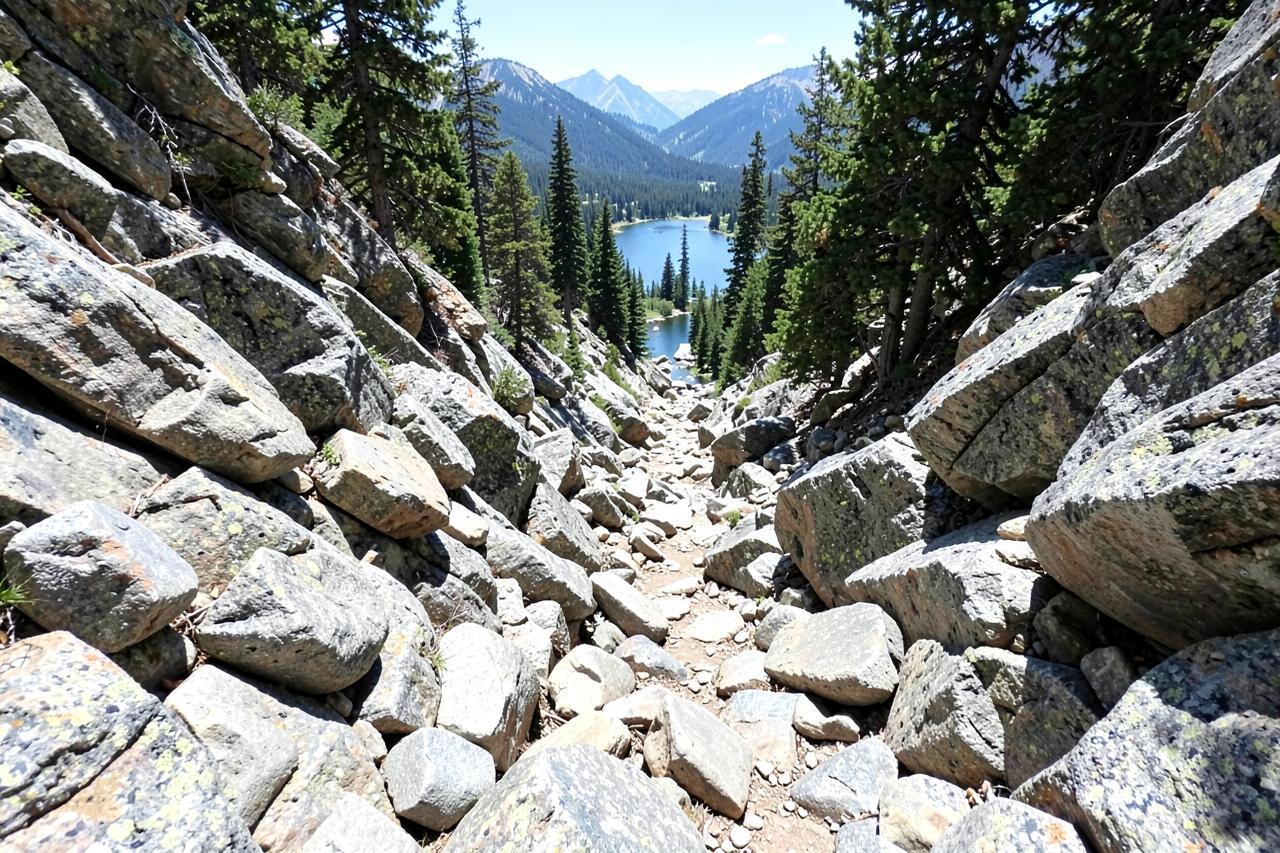
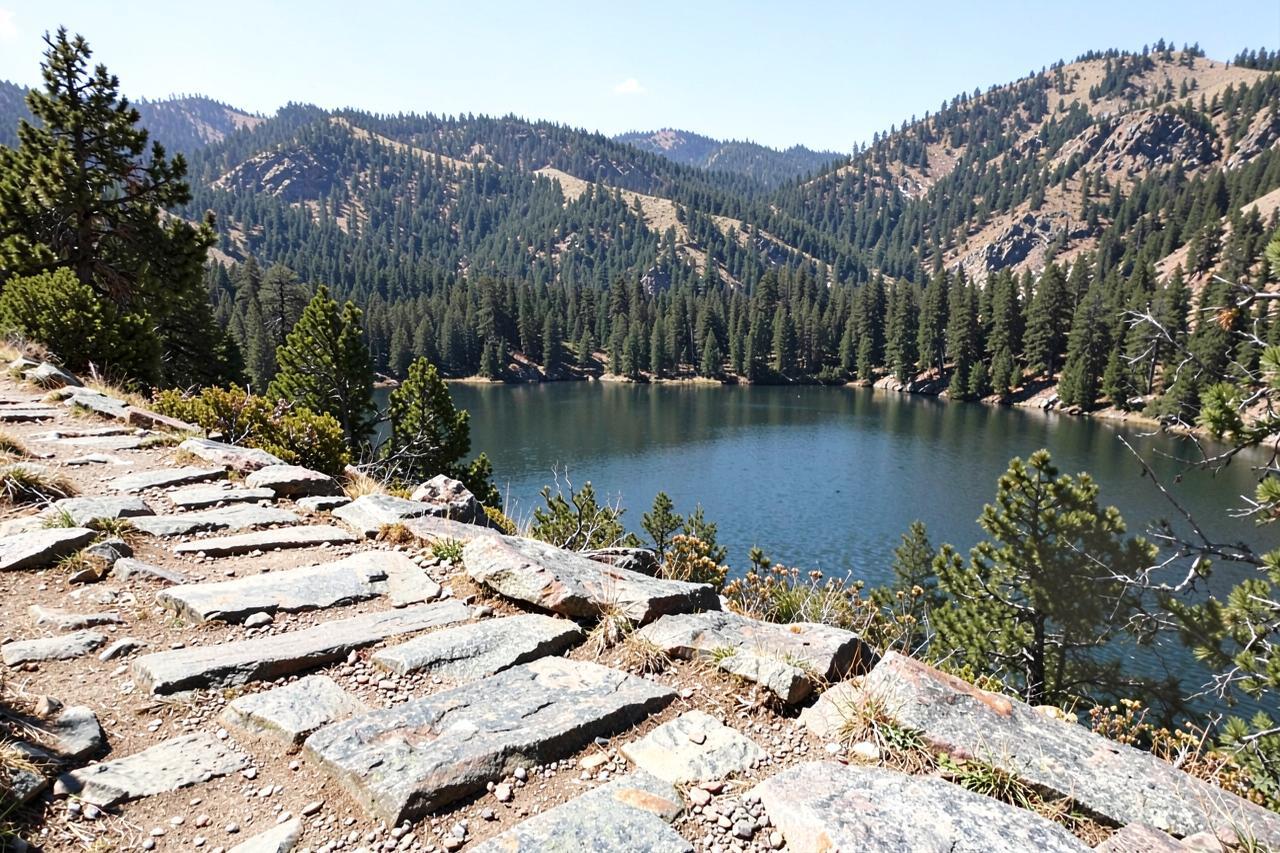
The route follows the north shore of the lake for a mile and a half of easy trail, then turns up the inlet drainage and becomes a boulder scramble with route-finding, exposure and a few spots where you use your hands. Round trip is about four miles, and most people take four hours or more.
Geography
Where Cleo's Bath sits
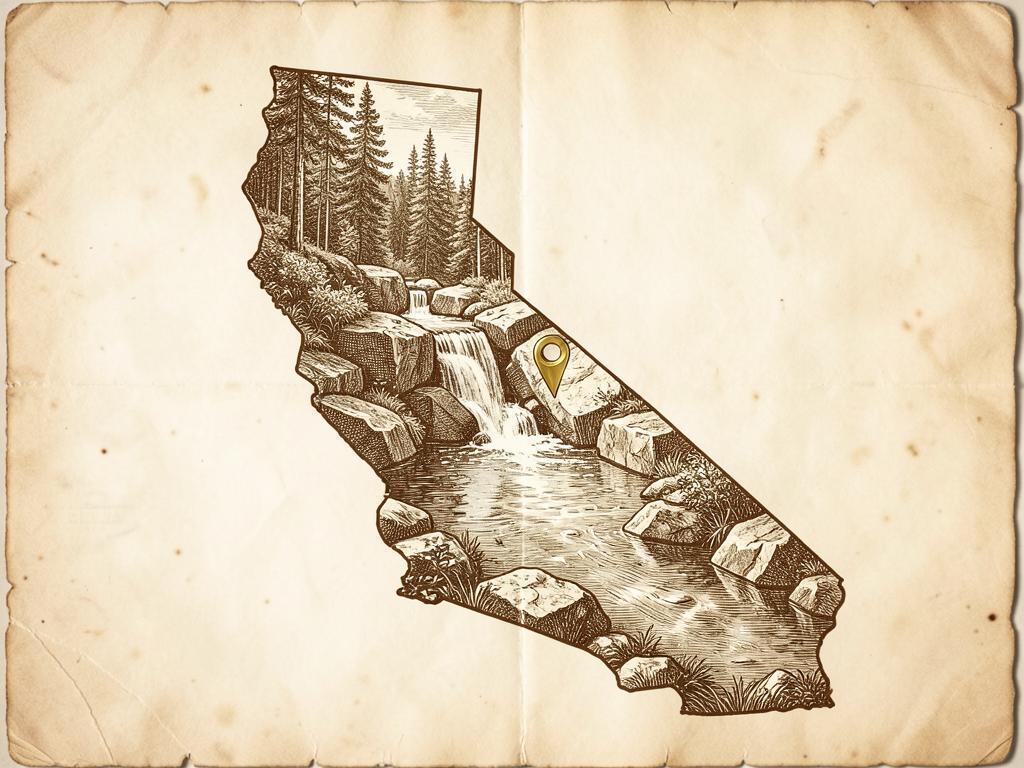
The pools sit where the South Fork Stanislaus drops through scoured granite into the head of Pinecrest Lake, two miles of trail and scramble from the nearest road.
It is high enough that snowmelt governs the season, and the upper route is bare rock rather than built trail.
The trailhead is about 55 miles from Chalet Bruin and Koda Loft — roughly an hour and a half, plus four hours on foot.
- Region
- Central Sierra Nevada, Stanislaus National Forest
- County
- Tuolumne County
- Elevation
- About 5,900 ft at the pools
- Nearest town
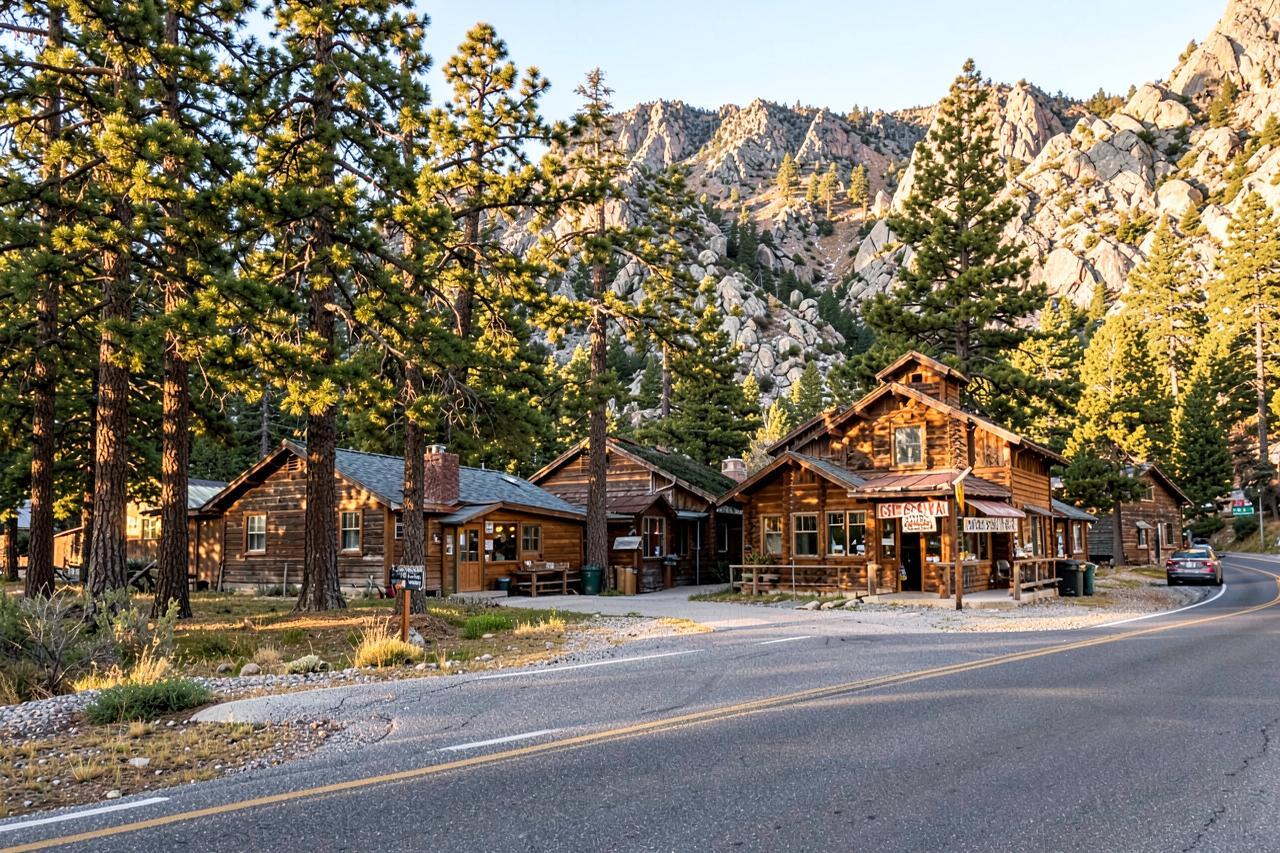
- Strawberry, below Pinecrest Lake
- Getting there
- On foot from the Pinecrest Lake day-use area, along the north shore trail
What the walk is actually like
The first section is pleasant and shaded and gives no hint of what follows. Past the inlet the trail climbs granite steps and loose rock, crosses slabs marked only by cairns, and gains a few hundred feet in short, awkward bursts. Trail runners and children who scramble happily will love it; anyone unsteady on rock will not.
Wear real shoes, not sandals. Take more water than you think, because there is no shade on the upper slabs and the granite radiates heat. Come down the way you went up — the shortcuts people improvise on the descent are how most of the injuries here happen.
When to go, and when not to
Late July through September is the window. Earlier than that, the inlet crossing and the slabs are running with snowmelt and the rock is slick; a big snow year can keep the upper section unpleasant into July. In October the water is too cold to enjoy but the walk is glorious and empty.
Start early on summer weekends: the Pinecrest day-use lots fill by mid-morning, and if you cannot park you cannot start. Afternoon thunderstorms are common in July and August, and wet granite slabs are genuinely dangerous — turn round rather than push on under a building sky.
Safety, plainly
People are hurt here every summer, almost always by slipping on wet rock or by jumping into pools whose depth changes year to year. Do not jump. The pools are fed by snowmelt and stay cold enough to take your breath in August, which matters if you land badly.
There is no phone signal for most of the route and no quick way to get help out of the drainage. Go with someone, tell somebody your plan, and treat the turnaround decision as part of the hike rather than a failure.
Where to stay for a Cleo's Bath day
This is a full day out from Arnold — an hour and a half each way plus four hours on the rock — so a kitchen, a hot tub and somewhere comfortable to come back to make the difference. Both cabins are about ninety minutes from the trailhead.
Nearby
Keep exploring
Good to know
Frequently asked questions
How hard is the hike to Cleo's Bath?+
Harder than its four-mile length suggests. The second half is a boulder scramble with route-finding and some exposure. Allow four hours or more and wear proper shoes.
Is it suitable for children?+
Only for children who are confident on rock and well supervised. It is not a pushchair or flip-flop walk, and the slabs are unforgiving when wet.
When is the best time to go?+
Late July through September, once snowmelt has dropped. Avoid it after rain and turn back if thunderstorms build — wet granite is the main hazard here.
Can you jump into the pools?+
No. Depths shift year to year with the gravel, the water is cold enough to shock you in August, and this is where most injuries happen.