
Explore Arnold
Emigrant Wilderness
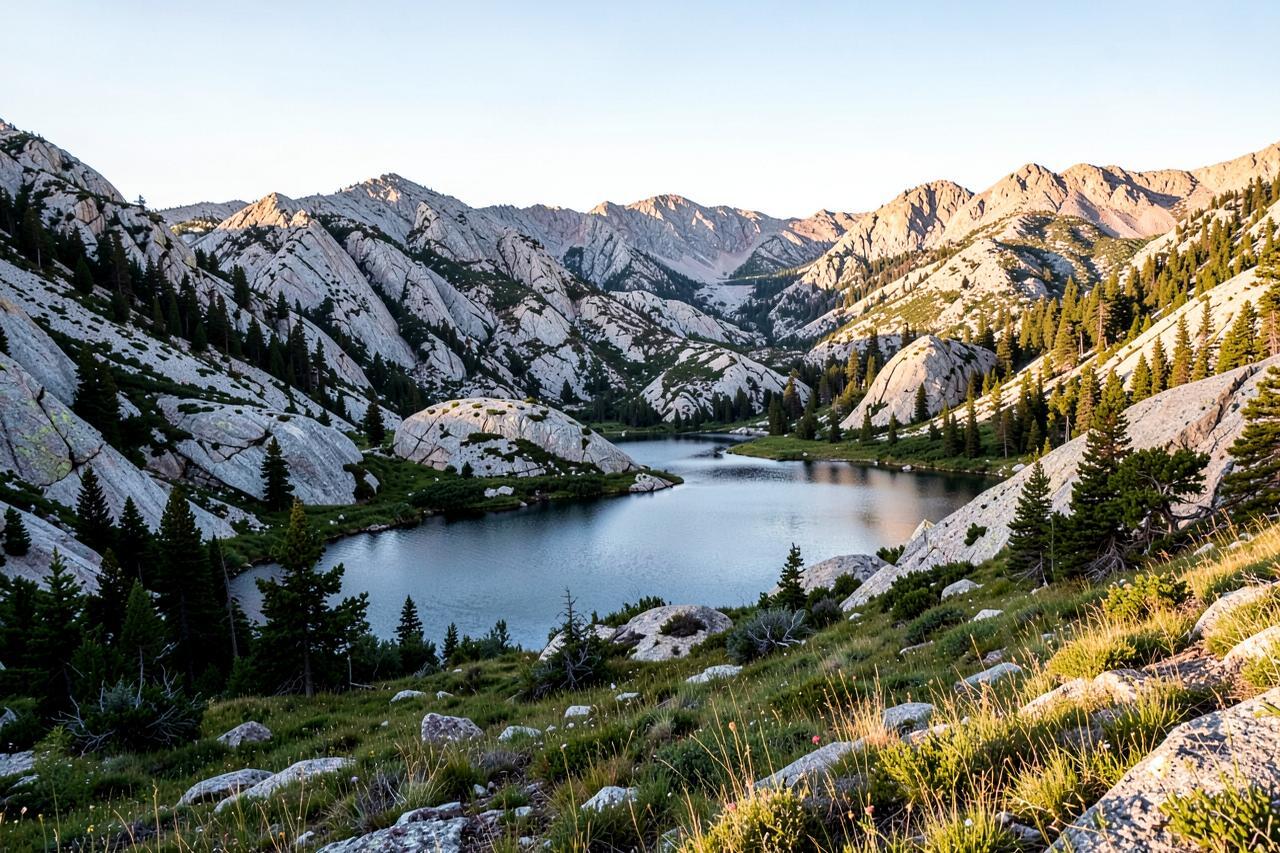
A hundred and thirteen thousand acres of granite basins, small lakes and quiet meadows north of Sonora Pass — the walk-in country behind Pinecrest, and the easiest true wilderness to reach from the cabins.
First things first
First things first
Emigrant Wilderness sits between Highway 108 and the northern boundary of Yosemite: polished granite, hundreds of small lakes, lodgepole and whitebark pine, and meadows that were grazed and dammed by sheepmen long before it was protected in 1975. It is high country — most of it between 7,000 and 10,000 feet — and it is entered on foot or with stock, never by car.
For anyone staying in Arnold, this is the accessible wilderness: two hours to the main trailheads by way of Sonora, and no permit lottery of the kind that governs Yosemite. It rewards a long day walk as readily as a week out.
Geography
Where Emigrant Wilderness sits
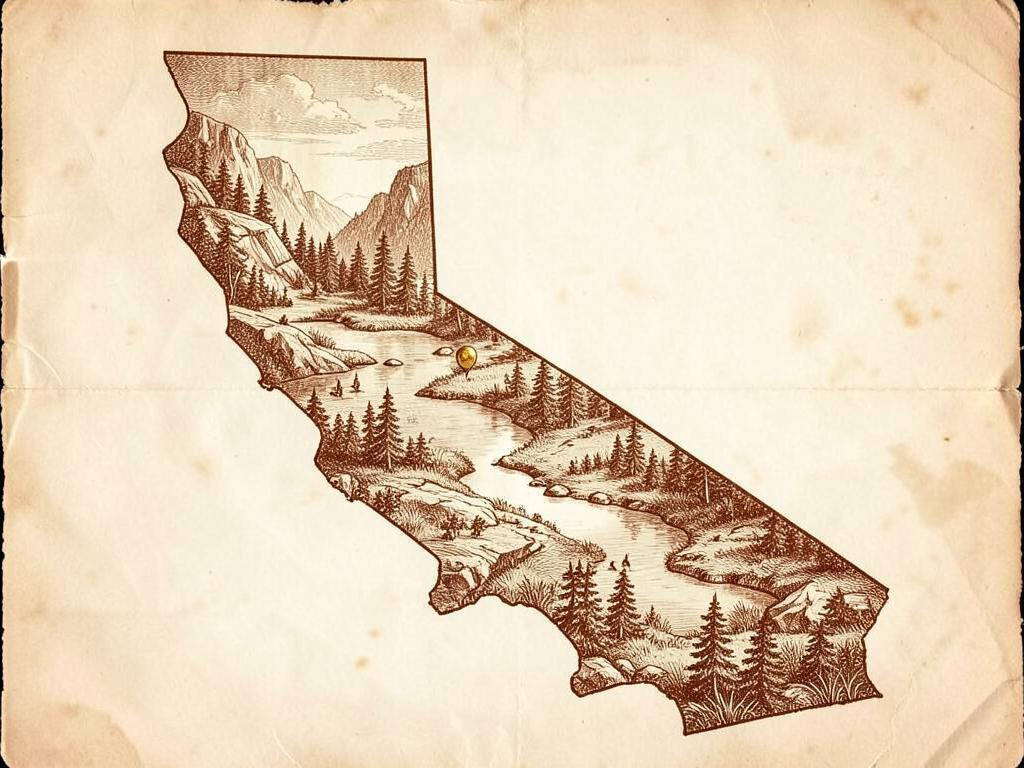
Emigrant is 113,000 acres of glaciated granite between Highway 108 and the northern boundary of Yosemite, protected as wilderness in 1975.
Hundreds of small lakes sit in the basins, and the trails are rocky rather than steep — the altitude does more of the work than the gradient.
The Crabtree and Kennedy Meadows trailheads are about two hours from Chalet Bruin and Koda Loft via Sonora.
- Region
- Central Sierra Nevada, Stanislaus National Forest
- County
- Tuolumne County
- Elevation
- Mostly 7,000–10,000 ft
- Nearest town
- Pinecrest and Strawberry, below the western trailheads
- Getting there
- On foot or with stock from Crabtree, Gianelli Cabin or Kennedy Meadows
Trailheads and first trips
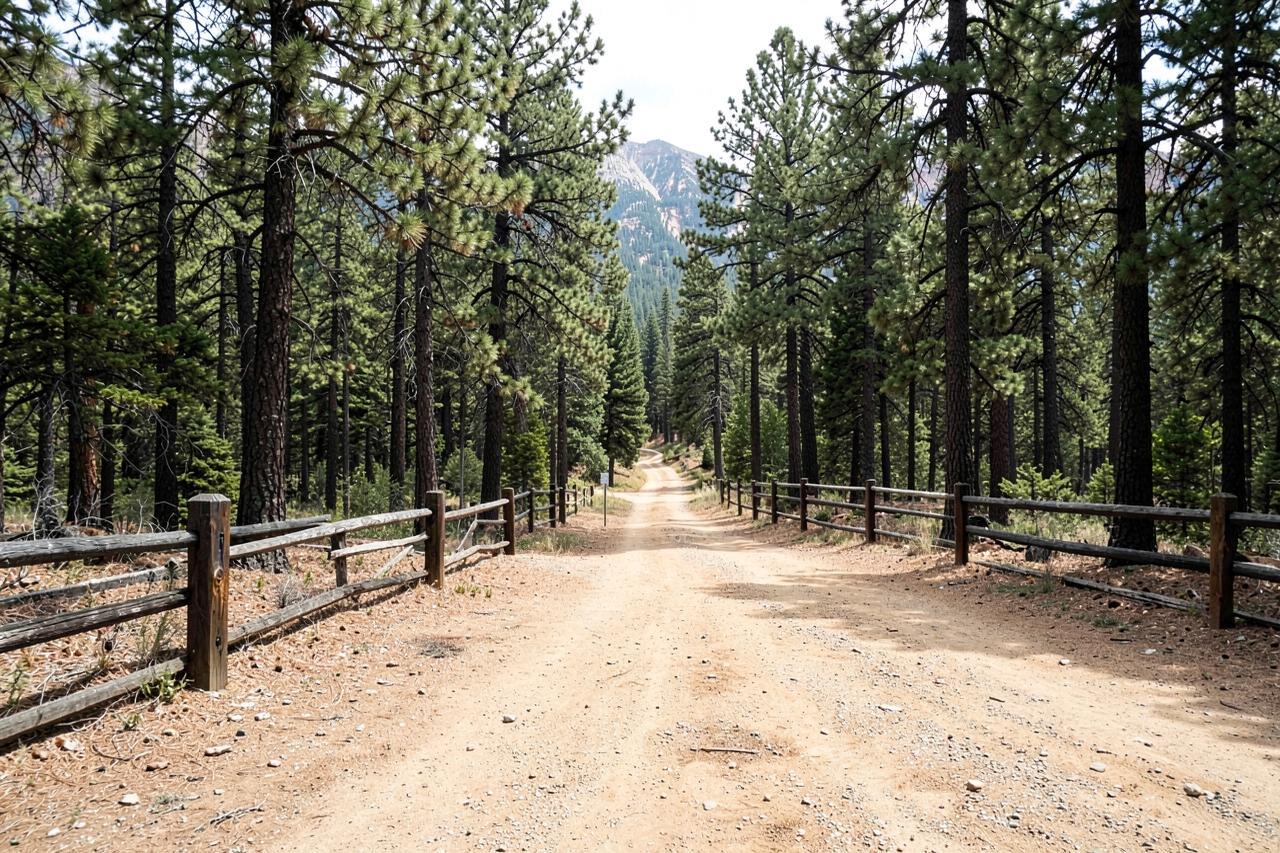
Most people start at Kennedy Meadows, Crabtree or Gianelli Cabin. Kennedy Meadows climbs a river canyon toward Relief Reservoir and is the busiest. Crabtree, above Pinecrest, gives the gentlest introduction — Camp, Bear and Piute Lakes are reachable in a few miles and make an honest first overnight. Gianelli starts high on a ridge and gives you views immediately for less climbing.
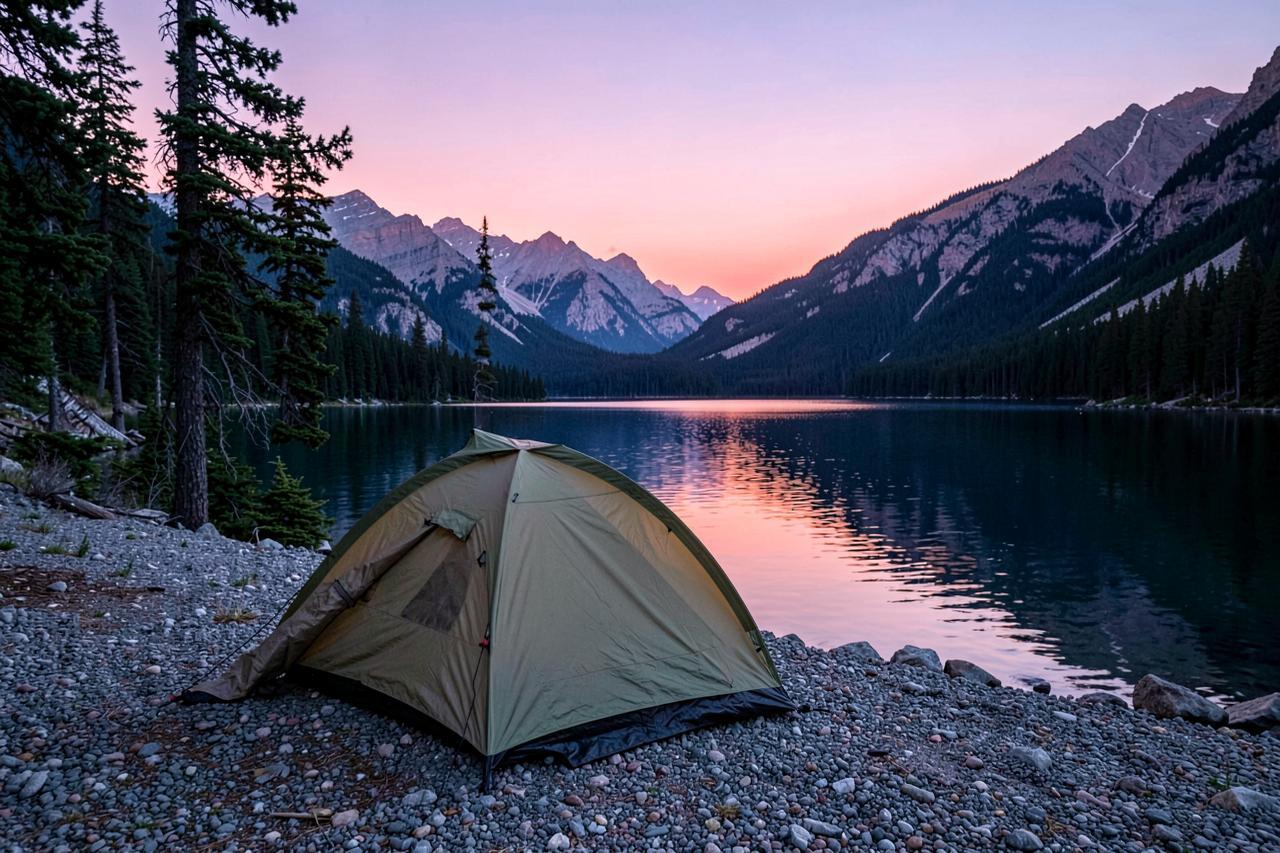
A sensible first trip is one night, five or six miles in, at a lake with water and flat granite for a tent. The trails are rocky rather than steep, but the altitude is real: if you have come from sea level, plan on doing less than you would at home.
Permits and the rules that matter
Overnight trips need a wilderness permit from the Stanislaus National Forest, and campfires need a separate fire permit where fires are allowed at all — which is often nowhere at all by late summer. Day hikes do not need a wilderness permit. Quotas, reservation windows and fire rules change season to season, so check the Forest Service's current information rather than a blog post.
Bear canisters are strongly encouraged and required in places; the black bears here are practised at hanging food. Camp two hundred feet from water, use a stove rather than a fire when restrictions are in force, and carry out everything, including the paper.
The season and the weather
July through September is the reliable window. Snow lingers on north-facing passes into July after a big winter, mosquitoes are ferocious for two or three weeks after the melt, and the high lakes do not warm up until late July. September is the connoisseur's month — cold nights, no bugs, golden light.
Afternoon thunderstorms are routine in July and August, and there is nowhere to shelter above treeline. Start early, be off exposed ground by early afternoon, and take a warm layer even in a heatwave: nights at 8,000 feet drop into the thirties without much warning.
Where to stay before and after
A cabin the night before a wilderness trip is worth more than most gear: a real shower afterwards, a kitchen to sort food in, and a hot tub for the legs. Both cabins are about two hours from the Crabtree and Kennedy Meadows trailheads.
Nearby
Keep exploring
Good to know
Frequently asked questions
Do you need a permit for Emigrant Wilderness?+
Overnight trips need a wilderness permit from the Stanislaus National Forest, and fires need a separate permit where they are allowed. Day hikes do not need a wilderness permit. Check current quotas and fire rules before you go.
Which trailhead is best for a first trip?+
Crabtree, above Pinecrest. Camp, Bear and Piute Lakes are a few miles in and make a straightforward first overnight with water and good camping.
When is the season?+
July through September. Snow can linger on passes into July, mosquitoes peak just after the melt, and September is the coldest, quietest and clearest month.
How far is it from Arnold?+
About two hours to the Crabtree and Kennedy Meadows trailheads via Sonora and Highway 108.